Africa Regulatory Systems Harmonization
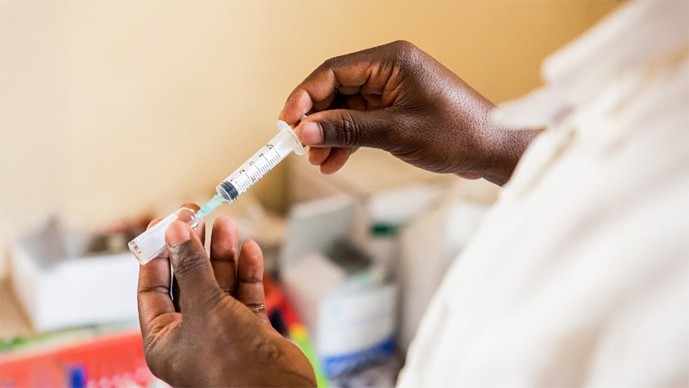
The regulatory system in Africa is both fragmented and under-resourced, resulting in millions of Africans receiving low-quality medical products, or no products at all, for preventable or treatable conditions.
There are nascent platforms for Africa's 55 national regulators to collaborate and workshare through the African Medicines Regulatory Harmonization Initiative, but they remain limited and not yet mature. Product developers are disincentivized from conducting R&D or even applying to register products in 55 different African markets.
Meanwhile, backlogs and slow, unpredictable timelines further disincentivize product developers from addressing needs in African markets and contribute to the proliferation of substandard and falsified medical products in many countries.
The Gates Foundation has supported many African partners in launching a series of strengthening investments to create a new system consisting of stronger, harmonized national regulatory agencies under the umbrella of the continent-wide African Medicines Agency (AMA). The AMA treaty was adopted by the African Union in 2019. As of 2024, 37 (of 55) countries have signed and/or ratified it. The AMA is expected to launch in 2025 with its headquarters in Kigali.
Ultimately, in line with the principles underlying the newly implemented African Continental Free Trade Area, our partners' vision is an Africa that acts like an efficient single market of 1.5 billion people when it comes to medical products, unlocking regionally relevant R&D and dramatically expanding coverage with safe and effective vaccines, diagnostics, and drugs.
The WHO assesses national regulators by maturity levels (ML), and the foundation has made targeted investments to help the regulators in various countries move up by one or more levels. Since 2018 (and as of 2025), eight national regulators in Africa (Egypt, Ghana, Nigeria, Rwanda, Senegal, South Africa, Tanzania, and Zimbabwe) have achieved ML3 status for either drugs or vaccines manufacturing (defined by the WHO as "a stable, well-functioning, and integrated regulatory system"). (Egypt has attained ML3 status in both.)
These capacity strengthening investments are having an impact on the ground. For example:
- South Africa's Medical Control Council had a backlog of ~16,000 applications, but with the creation of the South African Health Products Regulatory Authority (SAHPRA), the median time for a market authorization was reduced by more than four years.
- In Ghana, the percentage of antimalarials determined to be substandard or falsified fell from 35% in 2016 to less than 1% in 2021.
At the continental level, we are supporting partners in addition to the AMA to build new infrastructure to support a stronger regulatory system. Since 2020, the African Vaccine Regulatory Forum (AVAREF) has organized predictable joint reviews of priority products so that partners can set up multi-country trial sites across Africa without duplicating cumbersome review processes or losing money and momentum as they wait for regulatory decisions. Since 2020, almost every decision facilitated by AVAREF has taken ~30 days, compared to an unpredictable and wide range of ~30 to ~180 days previously. The clinical trial application for Kenya, Zambia, and Malawi for the TB vaccine candidate M72 was jointly reviewed under AVAREF, enabling trials in these countries to launch several months ahead of those in Asia.